
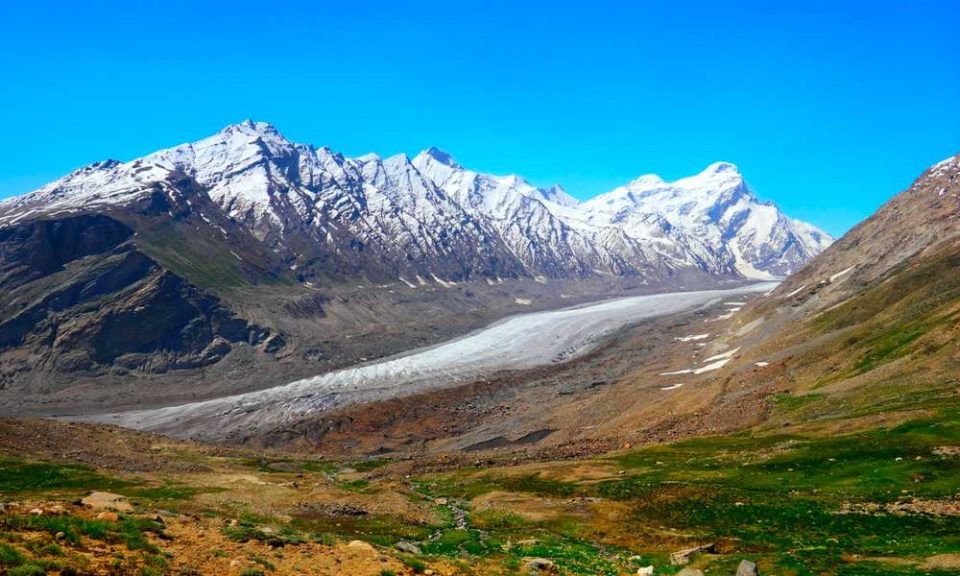
Bhutan is one of the last truly preserved destinations on Earth, and nowhere is this more evident than in its mountains. Covering almost the entire country, the Bhutan mountains form a dramatic landscape of deep valleys, forested hills, and snow-covered peaks rising above 7,000 meters.
Located in the eastern Himalayas, Bhutan offers a rare combination of raw natural beauty, spiritual significance, and ecological richness. Unlike many mountain destinations that have been transformed by mass tourism, Bhutan has deliberately chosen a different path – one that prioritizes preservation, authenticity, and meaningful travel experiences.
Whether you are drawn by trekking, photography, wildlife, or cultural discovery, the mountains of Bhutan provide one of the most unique and immersive travel experiences in the world.
The Geography of Bhutan Mountains
Bhutan is one of the most mountainous countries on the planet, with elevations ranging from around 160 meters in the south to more than 7,500 meters in the north within relatively short distances. This extreme variation creates an impressive diversity of landscapes and climates.
The country is generally divided into three main mountain zones:
- The Sub-Himalayan foothills: Warm, subtropical regions in the south
- The Inner Himalayas: Forested mountains and valleys where most of the population lives
- The Great Himalayas: High-altitude peaks, glaciers, and alpine terrain in the north
These layers create a constantly evolving landscape, where travelers can move from lush jungles to alpine environments within a single journey.
Why Bhutan Mountains Are So Unique
Untouched Natural Environment
More than 70% of Bhutan is covered in forest, and a large portion of the country is protected through national parks and conservation areas. This commitment has preserved ecosystems that remain largely untouched by modern development.
As a result, traveling through Bhutan mountains feels like stepping into a pristine world where nature dominates and human impact is minimal.
Sacred Peaks and Spiritual Meaning
Unlike many Himalayan countries, Bhutan does not promote mountaineering on its highest peaks. Mountains are considered sacred, and climbing is restricted out of respect for spiritual beliefs.
This unique approach changes the way travelers experience the landscape. Instead of conquering mountains, visitors are invited to observe, respect, and connect with them.
Prayer flags, monasteries, and sacred sites are often found in elevated locations, reinforcing the deep link between altitude and spirituality.
Exceptional Biodiversity
The variation in altitude and climate makes Bhutan one of the most biodiverse regions in the Himalayas. The mountains are home to rare species such as snow leopards, red pandas, Himalayan black bears, and hundreds of bird species.
This makes Bhutan not only a destination for landscapes, but also for wildlife and nature exploration.
Iconic Mountain Landscapes in Bhutan
Paro Valley and Tiger’s Nest
Paro Valley is often the first encounter travelers have with Bhutan’s mountains. Surrounded by forested hills and dramatic cliffs, it offers one of the most iconic views in the country.
The Tiger’s Nest Monastery, perched on a vertical cliff, is perhaps the most famous landmark in Bhutan. The hike to reach it is both physically rewarding and spiritually meaningful.
Phobjikha Valley
This wide glacial valley offers a completely different mountain experience. Instead of steep peaks, you’ll find open landscapes, gentle hills, and a deep sense of silence.
In winter, the arrival of black-necked cranes adds a unique ecological and cultural dimension to the scenery.
Bumthang Region
Bumthang is often described as the spiritual heart of Bhutan. Its mountainous landscapes are softer and more accessible, combining forests, rivers, and ancient temples.
It’s an ideal region for travelers seeking both nature and culture.
High Mountain Passes
Mountain passes such as Chele La and Dochula offer some of the most spectacular panoramic views in Bhutan. At elevations above 3,000 meters, these passes reveal vast Himalayan landscapes, often framed by colorful prayer flags.
They are among the best places to understand the scale and beauty of Bhutan mountains.
Trekking in Bhutan Mountains
Trekking is one of the most immersive ways to experience Bhutan’s landscapes. Unlike more crowded Himalayan destinations, Bhutan offers quieter trails, preserved environments, and a strong connection with local culture.
Routes take you through forests, alpine meadows, mountain passes, and remote villages, creating a journey that is both physical and cultural.
Popular Treks
- Druk Path Trek: A shorter trek with stunning lakes and mountain views
- Jomolhari Trek: A classic route offering views of one of Bhutan’s most sacred peaks
- Snowman Trek: One of the most challenging treks in the world, crossing remote high-altitude regions
Each trek offers a different perspective, from accessible trails to extreme adventures in remote Himalayan terrain.
Best Time to Visit Bhutan Mountains
Bhutan’s mountains can be visited year-round, but each season offers a different experience:
- Spring (March to May): Blooming landscapes and ideal trekking conditions
- Autumn (September to November): Clear skies and the best mountain visibility
- Winter (December to February): Fewer tourists and crisp, clear views
- Summer (June to August): Lush scenery but frequent monsoon rains
Spring and autumn are generally considered the best seasons for exploring Bhutan mountains.
Travel Tips for Exploring Bhutan Mountains
- Prepare for Altitude: Many destinations are located above 2,000 meters. It’s important to acclimatize gradually and stay hydrated.
- Pack for Changing Conditions: Temperatures can vary significantly throughout the day. Layered clothing is essential.
- Respect Local Culture: Mountains are sacred in Bhutanese culture. Respect religious sites, avoid disturbing wildlife, and follow local guidelines.
- Travel Mindfully: Bhutan promotes sustainable tourism. Traveling responsibly helps preserve its unique landscapes for future generations.
Why Bhutan Mountains Offer a Different Experience
What makes Bhutan truly unique is not just the beauty of its mountains, but the way they are experienced. There are no crowded trails, no overdevelopment, and no sense of rush.
Instead, you’ll find silence, space, and a deep connection between nature, culture, and spirituality.
Mountains in Bhutan are not just scenery – they are part of everyday life, belief systems, and national identity.
Conclusion: A Journey Beyond Landscapes
The Bhutan mountains offer more than breathtaking views. They provide a space for reflection, exploration, and connection – both with nature and with yourself.
Whether you are trekking through remote valleys, visiting monasteries perched on cliffs, or simply admiring the vast Himalayan scenery, Bhutan offers a mountain experience that goes far beyond expectations.
And once you’ve experienced it, it stays with you – long after the journey ends.
