
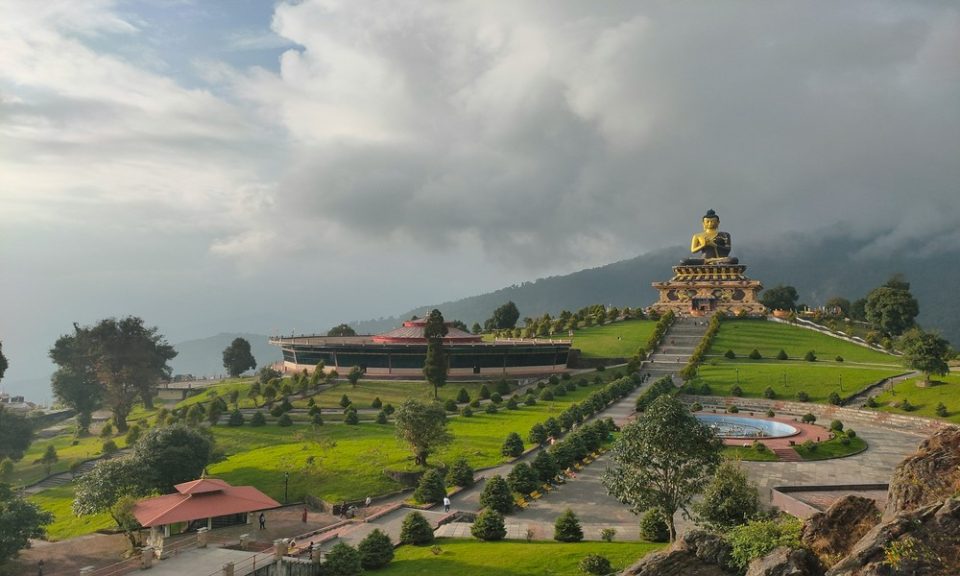
Organizing a trip to India can be an exciting and unforgettable experience, thanks to the country’s extraordinary diversity, vibrant culture, breathtaking landscapes, and world-famous historical landmarks. From bustling cities and majestic palaces to peaceful beaches and Himalayan mountains, India offers something for every type of traveler. Planning carefully in advance will help you enjoy a smooth and enriching journey across this fascinating destination. Below is a complete step-by-step guide to help you plan your trip efficiently.
Define Your Travel Itinerary and Must-Visit Destinations
Before booking anything, start by identifying the destinations and regions you want to explore during your trip to India. The country is vast and incredibly diverse, so choosing the right itinerary based on your interests is crucial. Whether you are travelling independently or with the support of a dmc for India tours, having a structured approach is essential to build the perfect itinerary and make the most of your experience.
Some of the most popular destinations include:
- Golden Triangle: Discover Delhi, Agra, and Jaipur, including the iconic Taj Mahal.
- Rajasthan: Famous for its palaces, forts, and desert cities such as Jaisalmer, Jaipur, and Udaipur.
- Kerala: Known for its peaceful backwaters, traditional houseboats, and tropical scenery.
- Goa: Celebrated for its beautiful beaches and vibrant nightlife.
- Himalayas: Ideal for trekking and mountain adventures in regions like Darjeeling and Kashmir.
- Varanasi: One of the most spiritual destinations in India, located along the Ganges River.
Choosing your destinations early will help you create a more logical and enjoyable travel route.
Decide Your Travel Duration and Budget
Your trip to India can range from a short getaway to a month-long adventure. Define how many days you wish to spend in each destination and establish a realistic travel budget.
Be sure to calculate expenses for:
- Airfare
- Accommodation
- Transportation between cities
- Meals
- Activities and excursions
- Shopping and personal expenses
Having a clear budget from the beginning will make the rest of your planning much easier.
Check Visa and Passport Requirements
Before finalizing your bookings, verify all entry requirements for India.
Most international travellers will need:
- A valid passport with at least six months validity after departure
- An approved Indian visa or tourist visa
Many travellers can conveniently apply for an e-visa online, but requirements may vary depending on nationality, so always verify the latest regulations before departure.
Book Your Flights Early
Once your travel dates are confirmed, begin searching for the best flight deals. Booking flights in advance often allows you to secure better rates and preferred schedules.
Helpful tips include:
- Comparing fares across multiple booking platforms
- Using fare alert tools
- Remaining flexible with travel dates when possible
- Booking during promotional periods for lower airfare
Plan Your Detailed Day-by-Day Itinerary
After selecting your destinations, organize your days strategically to optimize travel time and maximize your experience.
Example itinerary:
- Day 1: Arrival in Mumbai, local sightseeing, and rickshaw ride
- Day 2-3: Flight to Jaipur, explore Amber Fort and City Palace
- Day 4: Drive to Agra to visit the Taj Mahal
- Day 5: Discover Varanasi and attend the evening aarti
- Day 6-7: Fly south to Kerala for backwater cruises and beach relaxation
Planning in detail helps avoid wasted time and last-minute stress.
Organize Transportation Within India
India offers many transportation options depending on your route and budget.
Popular ways to travel include:
- Trains: A classic and scenic way to travel across India
- Buses: Budget-friendly for shorter distances
- Domestic Flights: Ideal for covering long distances quickly
- Private Car Rentals: Excellent for comfort and flexibility, especially in rural areas
Hiring a car with a driver is often recommended for travelers seeking convenience and safety.
Choose the Right Accommodation
India offers accommodation for every budget and travel style.
Options include:
- Luxury hotels and resorts
- Boutique heritage palaces
- Mid-range hotels
- Budget guesthouses
- Unique stays such as Kerala houseboats or eco-lodges
Book accommodations early, especially during peak travel seasons.
Prepare a Smart Packing List
Packing appropriately for India is essential due to its varying climates and regions.
Important items to include:
- Comfortable, weather-appropriate clothing
- Travel documents and passport copies
- Flight tickets and hotel confirmations
- Travel insurance documents
- Medications and a first-aid kit
- Comfortable walking shoes
- Portable charger and adapters
Adapt your packing based on whether you’re visiting tropical, desert, or mountain regions.
Experience Local Culture and Activities
To make your journey more memorable, immerse yourself in local traditions and authentic experiences.
Recommended activities:
- Explore vibrant local markets
- Taste regional Indian cuisine
- Attend cultural festivals and ceremonies
- Join a safari in Ranthambore
- Go trekking in the Himalayas
- Visit traditional villages and artisan workshops
India’s cultural richness is one of its greatest attractions.
Follow Essential Travel Tips for India
A few smart precautions can make your journey smoother and more enjoyable.
Useful travel tips:
- Monitor weather forecasts before travelling
- Balance sightseeing with rest days
- Read reviews before booking hotels and transport
- Stay aware of personal belongings in crowded places
- Respect local etiquette in religious sites and temples
Being prepared helps you travel confidently and respectfully.
Making the Most of Your Travel Plans in India
Planning your trip to India can be just as exciting as the adventure itself. By carefully organizing your travel itinerary, budgeting wisely, arranging transportation, and preparing all travel documents in advance, you set yourself up for a seamless and unforgettable experience.
India offers an incredible blend of history, spirituality, adventure, cuisine, and natural beauty that captivates travellers from around the world. With proper preparation, your Indian journey can become one of the most rewarding travel experiences of your life.
FAQ About Organizing a Trip to India
How far in advance should I plan a trip to India?
It is recommended to start planning your trip at least 2 to 4 months in advance, especially if travelling during peak tourist season.
What is the best time to visit India?
The best time to visit most of India is between October and March when temperatures are cooler and weather conditions are more comfortable.
Is India safe for tourists?
Yes, India is generally safe for tourists, especially when following common travel precautions and staying aware of your surroundings.
How many days are enough for a trip to India?
A well-rounded trip usually requires 10 to 15 days to explore several major regions comfortably.
Do I need a guide to travel in India?
While independent travel is possible, many travellers choose guides or local travel experts for convenience, efficiency, and deeper cultural insights.
