
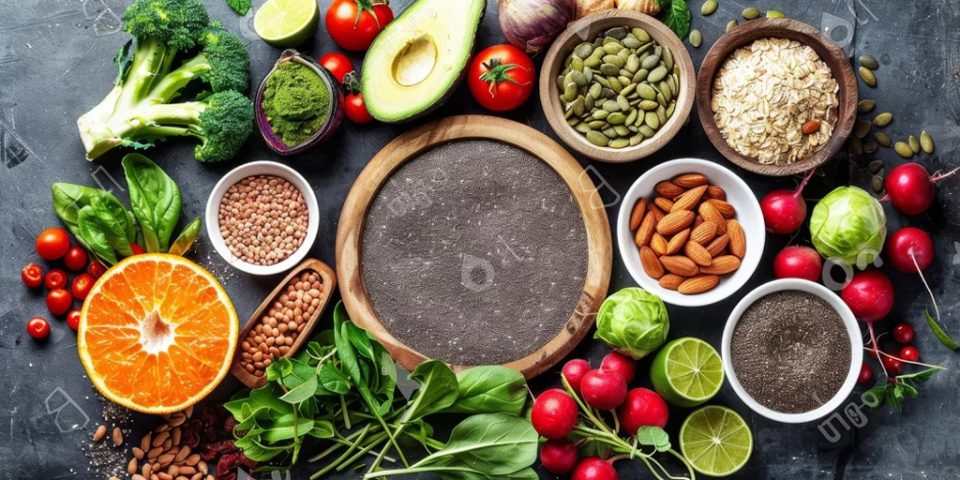
Food changes meaning when people step away from routine. At home, meals often feel rushed or automatic. During travel or retreats, eating slows down. Attention comes back. And that is usually where wellness cuisine begins to make sense.
This type of food is not trying to impress anyone. It is not trying to prove discipline either. It sits somewhere in between.
How mindful food choices support overall wellness
Mindful eating is often misunderstood. It does not require silence or strict focus. It simply asks people to notice what is happening.
Wellness focused food choices often encourage:
• Eating when hunger actually appears
• Slowing down without forcing it
• Noticing how the body feels afterward
• Letting meals end naturally
At first, this awareness feels unfamiliar. Then it starts to feel normal.
Ingredients that feel light yet satisfying
The goal is not to eat less. The goal is to eat in a way that does not weigh the body down. Some meals leave you feeling clear and steady. Others make everything feel heavier than it needs to be. Not wrong. Just information.
Ingredients are usually chosen with comfort in mind:
• Fresh vegetables that digest easily
• Protein that supports fullness without heaviness
• Natural fats that add satisfaction
• Simple seasoning that does not overpower
Food feels complete. That matters more than people expect.
Portion awareness without strict control
Portions are handled quietly. No measuring. No pressure. No correction.
Instead, portion awareness shows up through:
• Balanced plates that guide choices naturally
• Encouragement to pause mid meal
• Freedom to stop without explanation
• No reward or guilt attached to finishing
Many guests realize they stopped listening to their body long ago.
Why presentation still matters in healthy meals
How food looks affects how relaxed people feel while eating. Calm visuals reduce mental resistance.
Wellness focused presentation often includes:
• Clean layouts that feel uncluttered
• Natural colors that feel grounding
• Minimal garnish that serves a purpose
• Dining spaces that encourage unhurried meals
Enjoyment increases when meals feel inviting.
Eating patterns that feel realistic long term
Extreme plans do not survive normal life. The cuisine accepts that from the start.
Long term focused patterns usually involve:
• Regular meal timing without rigidity
• Balance instead of strict rules
• Flexibility for social days
• Space for enjoyment
This approach feels livable. That is the point.
Enjoying food without guilt or labels
One of the biggest shifts is emotional, not physical. Food stops being judged.
Guests often notice:
• Less mental noise around eating
• Fewer rules running in the background
• More trust in personal choices
• Less urgency to control meals
This change happens slowly. Almost quietly.
Cultural influence on wellness focused food
In places, the cuisine often reflects cultural balance rather than trends. Meals feel rooted, not experimental.
Cooking styles emphasize freshness, moderation, and variety. That influence makes food feel familiar even when it is new.
People feel this before they understand it.
How wellness cuisine supports daily routines
Food shapes the rest of the day more than people admit. Balanced meals affect movement, focus, and rest.
Guests often notice changes like:
• Steadier energy through the day
• Less desire to snack mindlessly
• Better focus during activities
• Easier rest in the evening
These shifts are subtle. But they last.
Carrying food awareness beyond the stay
The value of wellness cuisine is not the menu. It is the experience of eating without tension.
Guests leave without rules written down. They leave with a feeling. A sense of what balance feels like in real life. And just before returning home, many realize something. Cuisine was never about doing food right. It was about letting food support life again.
